Exact product & material
Model, components, coatings, color variants and construction establish what is actually being evaluated.
Quality depends on the exact product, material, use and destination. We identify the checks a project requires, coordinate available evidence and keep unverified claims out of the recommendation.

A broad label such as “drinkware,” “tech” or “sustainable” is not enough to define a review. The specification, user and delivery path determine which facts need evidence.
Model, components, coatings, color variants and construction establish what is actually being evaluated.
Age group, contact type, working environment and foreseeable handling can change the relevant questions.
The delivery market and a buyer’s internal rules may require information beyond a generic supplier statement.
Material, testing, origin, environmental and performance language must stay within the evidence available for that item.
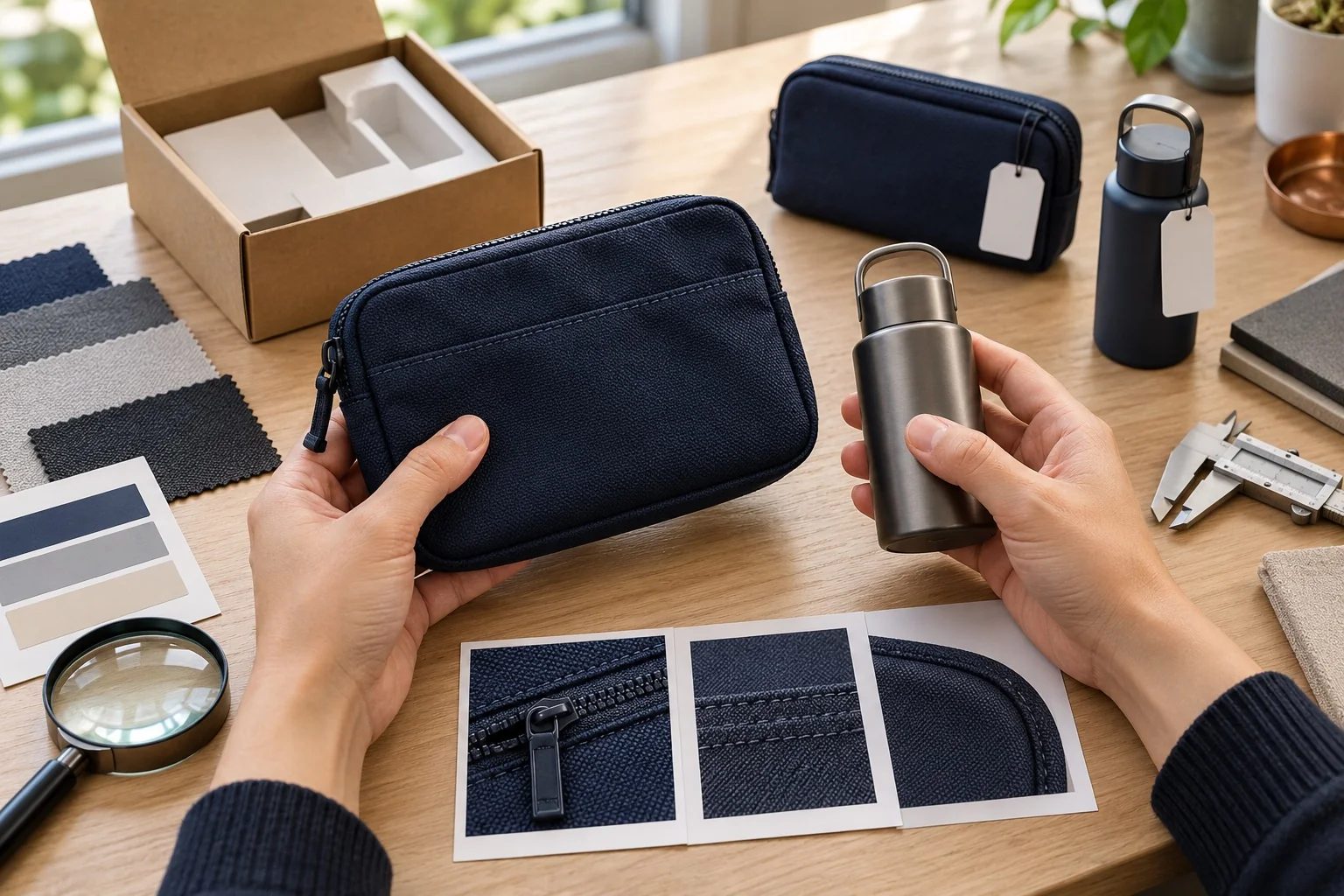
A proof can show placement and scale. A sample can expose details that are difficult to judge on screen. The review points are chosen for the selected item and the decision still open.
Color, coating, print, engraving, alignment, edges and visible variation.
Closures, moving parts, fit, access, charging or other intended operation.
Texture, hand feel and any odor or residue that may affect acceptance.
Position, scale, contrast and how the chosen method behaves on the surface.
Movement, pressure points, presentation order and protection during handling.
These product families are not automatically excluded. They require the project to identify the use, market, supporting documents and any testing expectations before a commercial promise is made.
Battery chemistry, charging components, transport rules, plugs, intended use and available reports may all affect the route.
Contact surfaces, coatings, materials, temperature use, cleaning instructions and destination requirements need product-specific review.
Formula, container compatibility, leakage, labeling, shelf life and transport conditions can introduce additional dependencies.
Age grading, small parts, materials, use pattern and the destination market should be established before sourcing proceeds.
A promotional object should not be described as protective equipment unless its intended function and supporting evidence justify that claim.
Load, precision, durability, workplace use and any regulated function must be distinguished from a general promotional accessory.
Category names alone do not determine the final requirement. The applicable route may change with the exact construction, claim, recipient, quantity, market and client policy.
Reports, declarations and approvals become useful when they can be connected to the actual product and decision. The review below keeps each source in its proper role.
Model, dimensions, materials, components and available options.
Whether the delivered version and approved customization match the stated specification.
Supplier + MerchWorthy coordination
Results under named methods for the tested sample and stated scope.
Model identity, issue date, market, variation coverage, laboratory and relevance to the current claim.
Qualified issuer + project review
Placement, scale, orientation, color intent and version control.
How the method looks and performs on the physical material.
Client approval + production confirmation
Actual feel, visible finish, function and packaging interaction for the reviewed sample.
How production will be controlled and what variation is acceptable.
Client + MerchWorthy + supplier
Observed results against the agreed check points and sampling approach.
What was outside scope and how any exception affects release.
Inspection party + Cathy release decision
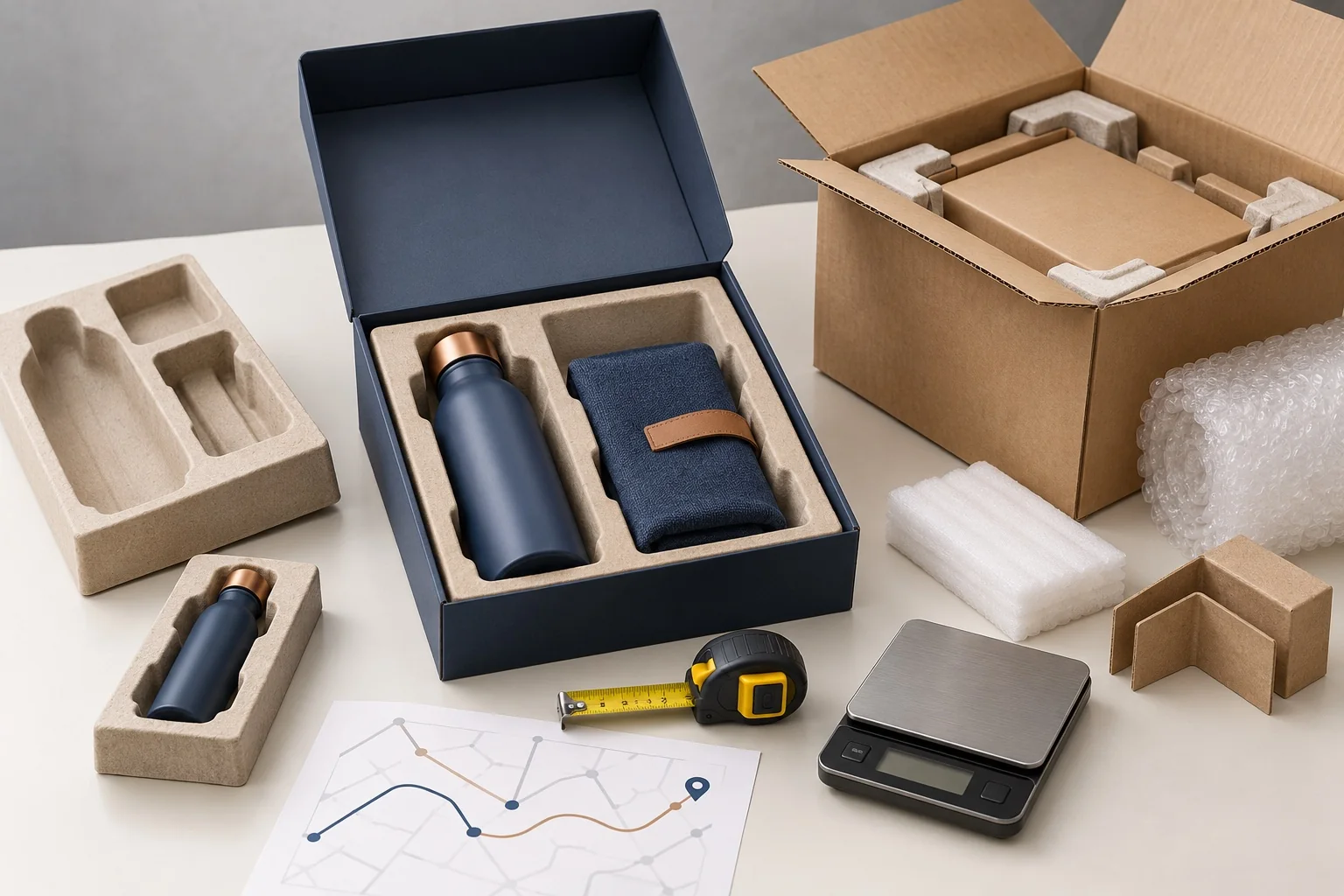
A presentation box can look finished on a table and still need more work for packing, routing or repeated handling. The relevant checks follow the confirmed delivery model.
Components should remain in their intended position without damaging one another.
The completed pack, not an empty box, informs shipping and handling decisions.
Presentation packaging may require a separate shipper, cushioning or corner protection.
Consolidated receiving, event delivery and pre-arranged multi-address distribution create different data and packing needs.
MerchWorthy coordinates the project record and helps identify missing decisions. Evidence providers, the buyer and Cathy retain the responsibilities that belong to them.
Organize product details, available documents, samples, artwork, packaging and agreed checks so unresolved questions remain visible.
Specifications, reports or test results must identify what was evaluated and under which conditions.
Internal restrictions, recipient details, claim language and acceptance criteria should be supplied before the relevant decision closes.
Supplier selection, final scope, pricing, production release and delivery promises remain subject to Cathy's confirmation.
These answers explain how project-specific verification is scoped. They are not legal advice or a substitute for requirements that apply to a particular product and destination.
Share the intended use, recipient, destination and any policy or evidence requirements already known. We will use that context to identify the verification questions that belong in the project before a direction is promised.